
Supporting the next generation of social workers requires more than education. It requires opportunities for students to apply what they learn in the classroom, gain hands-on experience, and develop the skills needed to serve individuals and families in their communities.
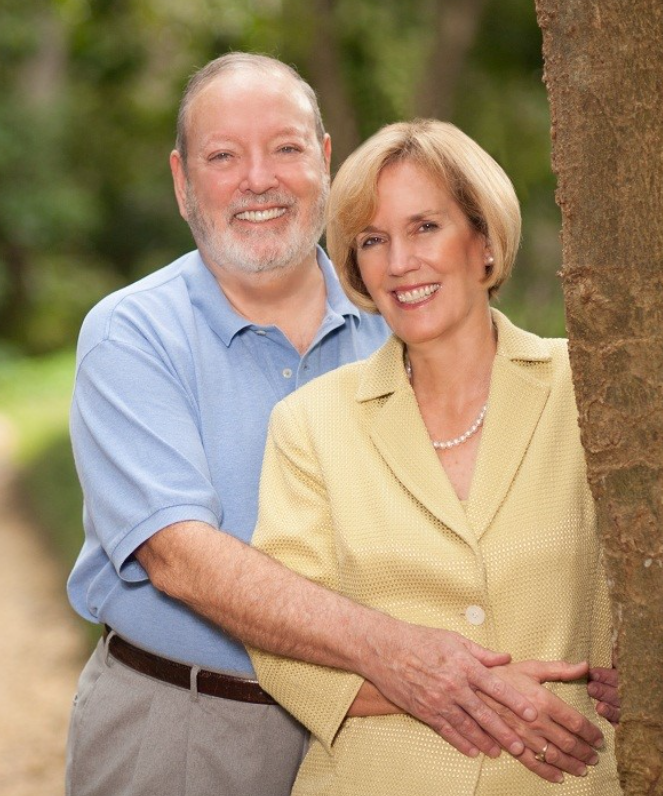
Through their direct financial support of internship opportunities at Eckerd Connects, Guy and Delores Spearman are helping make these experiences possible for social work students at Florida State University. Their contributions provide stipends to students completing internships, helping offset the financial demands of field education while allowing them to focus on professional development and gaining valuable experience in social work settings.
Guy Spearman's support of the partnership reflects his confidence in the work Eckerd Connects does throughout the community. He recognizes the positive impact the organization has on individuals and families and values the work it does to support those it serves.
Connecting Education with Real-World Experience
Field education is an essential component of social work training. It allows students to move beyond the classroom and apply their knowledge while working alongside experienced professionals. Through these experiences, students develop practical skills in communication, advocacy, relationship-building, and supporting individuals and families with complex needs.
The partnership between Florida State University's College of Social Work and Eckerd Connects provides students with an opportunity to experience the impact of therapeutic techniques firsthand. Camp E-Nini-Hassee is welcoming of social work interns and creating opportunities for students to become involved in their programming, while introducing them to the unique environment and experiences that therapeutic camp settings can provide.
For Guy Spearman, supporting these opportunities is also about helping bring recognition to the value of programs like Camp E-Nini-Hassee and the meaningful work taking place within them. Through his longstanding relationship with Eckerd Connects' founders, Jack and Ruth Eckerd, and his business partnership with their son, Jim Swann, Guy has maintained a connection to the organization and its mission. He hopes to use that relationship to introduce more FSU social work students to the camp and the impact it can have on the lives of the girls it serves.
Located in Floral City, Florida, Camp E-Nini-Hassee is Eckerd Connects' residential therapeutic program for girls ages 12–18. The program combines individualized counseling, accredited education, family support, and outdoor experiential learning to help young women develop confidence, resilience, and life skills.
For aspiring social workers, this environment offers opportunities to learn about trauma-informed care, family systems, emotional and behavioral support, and the importance of building trusting relationships. The partnership benefits both the students, who gain valuable professional experience, and the camp, which welcomes interns who contribute to its programming and the experiences of the girls it serves.
The Impact of Investing in Students
The value of these internship opportunities is perhaps best understood through the experiences of the students themselves.
Addie Bowman, a 2026 graduate of the FSU College of Social Work ‘s Bachelor of Social Work (BSW) program, completed her field placement at Camp E-Nini-Hassee with the support of an internship stipend made possible through contributions from Guy and Delores Spearman, along with other philanthropic supporters who help fund student internships.
Her experience allowed her to work directly with adolescent girls while applying social work concepts through experiential learning, group therapy, and relationship-building.
During her placement, Addie lived alongside a group of 12 adolescent girls for two months, helping them develop coping skills, communication skills, and healthy relationships through everyday activities, including cooking over a campfire, games in the pool, and various crafts.
"As a social worker, I learned a lot about rapport building and confronting” shared Addie, reflecting on her experience. “And also, just as an individual, I grew in resilience myself while also helping the girls grow in resilience."
Beyond the professional skills she developed, Addie described the lasting relationships she built with the girls and the importance of being part of their personal journeys. "I love the bonds I made with the girls and I'm so fortunate to be a part of their personal journeys,” she said. “I still write them to this day, and I hope to keep writing them until they graduate the program and even beyond."
For Addie, the experience was more than completing her field placement requirements. It was an opportunity to grow personally and professionally while making meaningful connections with the individuals she served.
When encouraging other students to consider the placement, Addie emphasized its lasting impact, “It really is something that will stick with you for your lifetime and just your professional social work career."
Her experience demonstrates what can happen when students are given the opportunity to learn through meaningful, hands-on practice. It also highlights the value of providing financial support so students can participate in internships that may otherwise be difficult to pursue while balancing employment, coursework, and family responsibilities.
Removing Financial Barriers to Field Education
While internships are an important part of earning a social work degree, they can also present significant financial challenges. Students must balance coursework, family responsibilities, employment and the time required to complete their field placements.
Students who are already employed full-time may need to reduce their working hours to accommodate internship and academic responsibilities. This can create additional financial strain, particularly for students who rely on their income to support themselves and their families.
Internship stipends can help ease some of these challenges, making it more manageable for students to complete their required field hours without sacrificing as much financial stability.
By directly supporting Eckerd Connects internships, Guy and Delores Spearman are helping remove some of the financial barriers that can prevent students from pursuing valuable field experiences. Their investment supports both the students gaining professional experience and the organization working to develop its future workforce.
A Commitment to the Future of Social Work
The impact of investing in social work students extends beyond the classroom and internship experience. It supports the development of professionals who will go on to serve children, families, older adults, and other individuals throughout their communities.
Through their generosity, Guy and Delores Spearman are helping make meaningful field education opportunities possible for FSU social work students at Eckerd Connects. Their investment demonstrates how philanthropy, higher education, and community partnerships can work together to reduce financial barriers, strengthen professional development, and support the future of the social work profession.
For students like Addie Bowman, these experiences become more than a degree requirement. They become opportunities to develop professionally, build lasting relationships, and discover the impact they can have on the lives of others.
Ultimately, investing in students means investing in future professionals who will carry this work forward.
Reference
Florida State University College of Social Work. (2026, September 2). FSU College of Social Work field placement experience: Addie Bowman (BSW '26) [Video]. YouTube. https://youtu.be/XX1xSkeDVY0